

New Jersey
DWI Lawyer

Experienced DWI Attorney in New Jersey
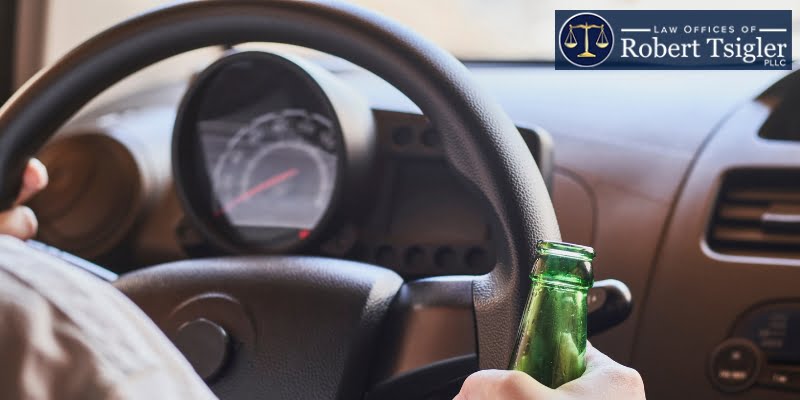
Driving under the influence (DUI) refers to operating a vehicle under the influence of alcohol or drugs. DUI is a serious offense with severe consequences, including fines, jail time, and loss of driving privileges. In addition to the legal problems, DUI can also have serious consequences for the safety of the driver and others on the road. DUI is a leading cause of accidents and fatalities on the road, and those who drive under the influence put themselves and others at risk. Therefore, if you are charged with DUI, it is important to seek legal representation to understand and protect your rights.
However, being accused of DUI does not automatically mean you will be convicted. At the Law Offices of Robert Tsigler, PLLC, our experienced DUI attorneys have successfully defended clients against DUI charges in New Jersey. We understand the complexities of drunk driving laws and the legal process, and we actively work to protect our clients’ rights throughout the case. Our experienced criminal defense attorneys in New Jersey will explain your options, develop an effective DUI defense strategy, and fight for the best possible outcome.
As a result, we have helped many clients get their charges reduced or dismissed or receive alternative sentencing instead of jail time. Contact us today if you have been charged with DUI. We understand the challenges people face after a DUI charge in New Jersey, and we can help navigate you at each step of the process.
What Is the DUI Process in New Jersey?
- Arrest and booking. If a law enforcement officer has probable cause to believe that an intoxicated driver is on the road, the officer may pull the driver over and conduct a traffic stop. The officer may then ask the driver to perform field sobriety tests and administer a breathalyzer test to measure the driver’s blood alcohol concentration (BAC). If the driver’s BAC is above the legal limit or the officer has other evidence of impairment, the driver may be arrested and taken to the police station for booking.
- Bail and pre-trial release. The driver may be held in custody or released on bail after being booked. Bail is the amount the court requires the driver to pay to be released from custody while awaiting trial. The purpose of bail is to ensure that the driver will return to court for future hearings. In some cases, the court may release the driver on their own recognizance, which means that the driver does not have to pay bail but must agree to return to court as required.
- Plea bargaining. Before the trial, the prosecutor and the defense attorney may negotiate a plea bargain, which is an agreement in which the defendant agrees to plead guilty to a lesser charge or a reduced sentence in exchange for the prosecutor dropping or dismissing some of the charges. Plea bargains can be a way to resolve a DUI case without going to trial.
- Trial. If the case is not resolved through a plea bargain, it will go to trial. During the trial, the prosecutor will present evidence and witnesses to prove that the driver was under the influence during the traffic stop. The defense attorney will challenge the prosecution’s evidence and present a defense on behalf of the driver.
- Sentencing. If the driver is found guilty, the judge will decide on a sentence based on the severity of the offense and any prior DUI convictions. Possible sentences for a DUI in New Jersey include fines, jail time, community service, drug and alcohol treatment programs, and driver’s license suspension or revocation.
While this is the traditional process for DUI cases in New Jersey, the specifics of your case may vary. For example, if your DWI defense attorney can combat the prosecution’s evidence, the case may be dismissed or reduced.
What Are Common Defenses Against a DUI Charge?
There are several defenses that a criminal defense attorney may use to challenge a DUI charge. Some common defenses include:
- Lack of probable cause for the traffic stop. Unreasonable searches and seizures are prohibited by the Fourth Amendment to the US Constitution, which protects citizens from such actions by law enforcement. In order to pull a driver over, the officer must have probable cause, which means there must be a reasonable suspicion that the driver is committing a crime or traffic violation. If the officer did not have probable cause to make the traffic stop, the attorney may be able to argue that the evidence obtained during the stop should be excluded from the case.
- Illegal search and seizure. If the officer did not have a warrant or probable cause to search the vehicle or the driver’s person, any evidence obtained during the search might be inadmissible in court.
- Inaccurate or faulty breathalyzer test. Breathalyzer tests are not always accurate, and several factors can affect their accuracy, such as the type of machine used, the maintenance and calibration of the machine, and the training and proficiency of the operator. If there are issues with the breathalyzer test, the attorney may be able to challenge its reliability.
- Medical conditions or medications that can affect sobriety tests. Some medical conditions and medications can affect a person’s ability to perform sobriety tests or can give false positive results on a breathalyzer test. For example, if the driver was taking medication or had a medical condition that could have affected their performance on the tests, the attorney may be able to use this as a defense.
- Lack of impairment. Even if the driver’s BAC was above the legal limit, the attorney might be able to argue that the driver was not actually impaired at the time of the traffic stop. Factors that can be used to support this defense include the driver’s behavior, performance on field sobriety tests, and driving patterns.
- False positive on drug tests. It is possible for certain medications, foods, or other substances to cause false positives on drug tests. If the driver was charged with DUI due to drugs in their system, the attorney might be able to argue that the test results were inaccurate.
- Police misconduct. If the officer who arrested the driver engaged in misconduct, such as using excessive force or violating the driver’s rights, the attorney might be able to use this as a defense.
- Mistaken identity. In some cases, the driver may be mistakenly identified as the person operating the vehicle at the time of the traffic stop. If there is evidence that the alleged driver was not the person who was driving, the attorney may be able to use this as a defense.
It is important to note that the specific defenses available in a DUI case will depend on the circumstances of the case and the laws of the state where the arrest occurred. An experienced criminal defense attorney can help alleged drunk drivers understand their options and develop a defense strategy tailored to their specific case.
The Importance of DUI Defense Attorneys
- Experience and knowledge of the DUI process. criminal defense attorney who has experience handling DUI cases will have a thorough understanding of the laws and procedures related to DUI cases in your state. This can be crucial in building a strong defense and negotiating with prosecutors.
- Ability to negotiate with prosecutors and challenge evidence. A criminal defense attorney can work with the prosecutor to try to negotiate a plea bargain or to have the charges reduced or dismissed. The attorney can also challenge the prosecution’s evidence and test the reliability of any sobriety tests or breathalyzer results.
- Working to minimize the consequences of a DUI charge. If the driver is found guilty of DUI, the attorney can work to minimize the consequences of the charge. This may include negotiating for a lighter sentence, such as probation or community service, or advocating for alternative options like drug and alcohol treatment programs.
- Protecting the driver’s rights. A criminal defense attorney can help the driver understand their rights and make sure that they are protected throughout the legal process. The attorney can also ensure that the driver’s rights were not violated at any point during the arrest or investigation.
What Is An Alcohol Breath Test?
- Portable breath test (PBT). A PBT is a hand-held device law enforcement officers can use to test a driver’s breath for alcohol. PBTs are not as accurate as other types of breath tests, and the results are not admissible as evidence in court. However, PBTs can give officers an initial indication of whether a driver may be under the influence of alcohol and can help them decide whether to make an arrest.
- Breathalyzer. A breathalyzer is a device that uses fuel cell technology to measure the amount of alcohol in a person’s breath. Breathalyzers are more accurate than PBTs and are often used as evidence in court.
- Evidential breath testing (EBT). An EBT device is a more sophisticated and accurate breathalyzer used to test a driver’s breath for alcohol. EBTs are typically used at police stations or other designated testing locations and are considered more reliable than PBTs. In addition, the results of an EBT test may be used as evidence in court.
What Are Some Reduced Penalty Options for a DUI Charge?
- Probation. Probation is a period of supervision during which the driver must follow certain conditions, such as not drinking and driving, attending alcohol education classes, and performing community service. If the driver successfully completes probation, they may not have to serve any additional time in jail.
- Community service. In lieu of jail time, the driver may be required to perform a certain number of hours of community service. Community service is unpaid work that is done for the benefit of the community, such as working at a food bank or cleaning up a public park.
- Drug and alcohol treatment programs. If the DUI charge was related to alcohol or drug use, the court might require the driver to participate in a treatment program as part of their sentence. Treatment programs can include counseling, support groups, and rehabilitation programs.
- License suspension or revocation. The court may suspend or revoke the driver’s license as part of their sentence. A license suspension means that the driver is not allowed to drive for a certain period of time, while a license revocation means that the driver’s license is permanently taken away.
- Ignition interlock device. In some cases, the court may require the driver to install an ignition interlock device on their vehicle. An ignition interlock device is a breathalyzer that prevents the vehicle from starting if it detects alcohol in the driver’s breath. This helps ensure that the driver does not drink and drive again.
- Counseling. The court may also require the driver to attend counseling sessions as part of their sentence. Counseling can help the driver understand why they drank and drove, learn to manage their emotions, and develop healthy coping skills. Again, this is something the individual may not have considered prior to their DUI charge, but it will be beneficial to them in the long run.
It is important to note that reduced penalty options are not guaranteed and must be negotiated with the prosecutor and approved by the court. However, an experienced criminal defense attorney can help the driver understand their options and advocate for a reduced penalty if available.
If you have been charged with DWI/DUI, contact an aggressive New Jersey criminal defense attorney at 718-878-3781. Begin your case with a consultation!
FAQs About New Jersey Drunk Driving Laws
Can a DWI Charge Be Reduced in NJ?
Yes, it is possible for a DWI charge to be reduced through a plea bargain. A plea bargain is an agreement in which the defendant agrees to plead guilty to a lesser charge or a reduced sentence in exchange for the prosecutor dropping or dismissing some of the charges. Whether a plea bargain is available and what the terms may be will depend on the case’s specifics and the state’s laws. An experienced criminal defense attorney can help the driver understand their options and negotiate a plea bargain if it is available.
Should I Get a Lawyer for a DUI in NJ?
Yes, hiring an experienced DUI lawyer is important if you have been charged with a DUI. A qualified attorney can provide invaluable guidance and advice throughout the legal process, helping you navigate the complexities of the law and protect your rights. An attorney can also advocate for you in court and work to get the best possible outcome for your case. Therefore, it is vital to choose an attorney who is experienced in DUI defense and can provide the personal attention and support you need.
How Much Does a DWI Cost in New Jersey?
The cost of a DWI will depend on the specific circumstances of the case and whether any additional charges are involved. A DWI could include fines, court costs, and legal fees. DUI offenders in New Jersey may also be subject to license suspension or revocation, increased insurance premiums, and other penalties. Consult an experienced criminal defense attorney to understand the potential costs associated with DWI.
What Is the Legal Blood Alcohol Limit in NJ?
The legal blood alcohol limit is .08%. Drivers who are found to be operating a motor vehicle with a blood alcohol content of .08% or higher can be charged with driving while intoxicated (DWI). For commercial drivers, the legal blood alcohol limit is even lower at .04%.
Contact the Law Offices of Robert Tsigler, PLLC, Today
If you are facing a DUI charge, it is crucial to have an experienced criminal defense attorney. You need experienced and skilled advice for any DUI issue. The attorneys at the Law Offices of Robert Tsigler, PLLC, have the experience and knowledge needed to protect your rights throughout the legal process. Contact our firm today for a consultation to learn more about how we can help with your case.

New Jersey Practice Areas
Latest Results
No Charges Filed
We Set the Bar Others Strive to Reach













Our DUI Attorneys at Robert Tsigler, PLLC are Ready to Fight for You!
Getting representation as soon as possible following any DWI or DUI-related charge is the best way to promote a positive result from a subsequent trial. These charges are considered very serious and can result in expensive fines, the loss of driving privileges or professional licenses, and even incarceration. Only an experienced New Jersey DWI lawyer can successfully defend your case.
DON'T
DELAY
discuss your case right away.
Schedule A Consult
"*" indicates required fields